Metabolic
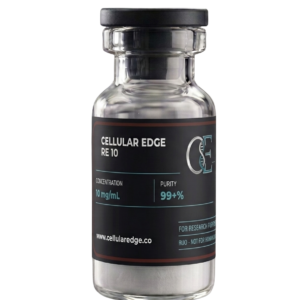

Description:
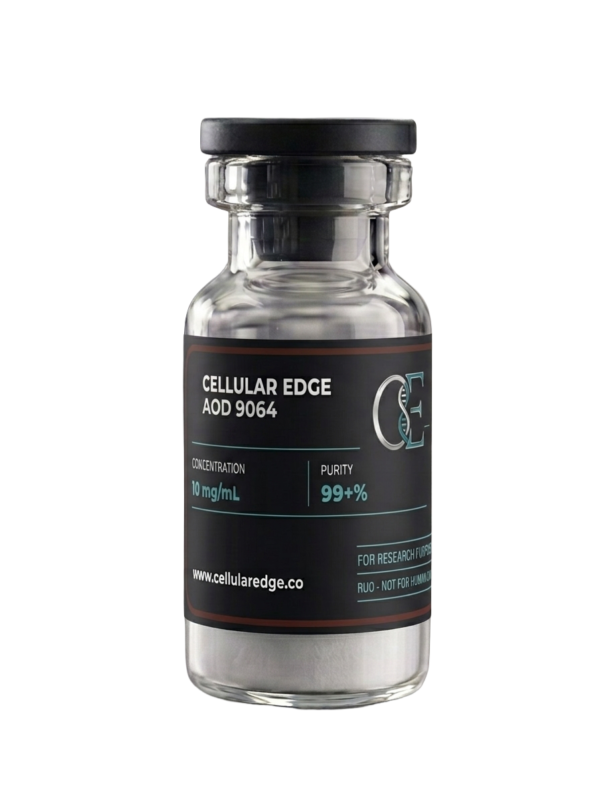
AOD-9604 is a modified fragment of human growth hormone — specifically the C-terminal region (amino acids 176-191) of the HGH molecule, with a few amino acid substitutions to stabilize it. It was originally developed by a biotech company (Metabolic Pharmaceuticals/Monash University) with the intent of isolating the fat-metabolizing effects of growth hormone without the growth-promoting or insulin-desensitizing effects that come with using full HGH..
Benefits:
Targeted lipolysis — stimulating fat breakdown, particularly claimed to be visceral/stubborn fat, without the GH side effects
Lipogenesis inhibition — reduced fat storage from dietary intake
No effect on blood glucose/insulin sensitivity —strips out the diabetogenic effect of full HGH
No effect on IGF-1 or linear growth —no acromegaly-type risk that comes with long-term HGH use
Joint/cartilage support
How it works:
Full-length HGH does a lot of things: it stimulates IGF-1 production (driving growth and anabolic effects), it desensitizes insulin signaling, and — separately — it triggers fat breakdown. Researchers identified that this last effect, the lipolytic one, seems to map to the C-terminal fragment of the GH molecule (amino acids 176–191), not to the parts of GH responsible for growth or insulin effects. AOD-9604 is a synthetic, stabilized version of that fragment (with a couple of amino acid modifications, hence “modified” in some naming conventions).
Proposed downstream mechanism
1. Beta-3 adrenergic receptor activation — AOD-9604 acts on beta-3 adrenergic receptors, which are densely expressed on adipocytes (fat cells), particularly visceral fat.
2. Triggers lipolysis — activation of these receptors is believed to stimulate hormone-sensitive lipase, the enzyme that breaks down stored triglycerides into free fatty acids for use as energy.
3. Inhibits lipogenesis — it’s also proposed to blunt the fat cell’s ability to take up and store new fat from circulating lipids/glucose.
4. No GH receptor activation — because it lacks the rest of the GH sequence, it doesn’t bind the GH receptor itself, meaning it shouldn’t trigger IGF-1 release, growth signaling, or the insulin resistance associated with GH.