Blends
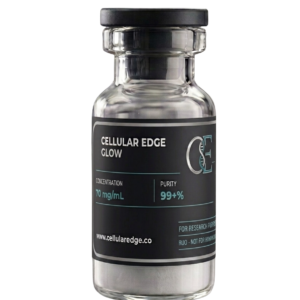

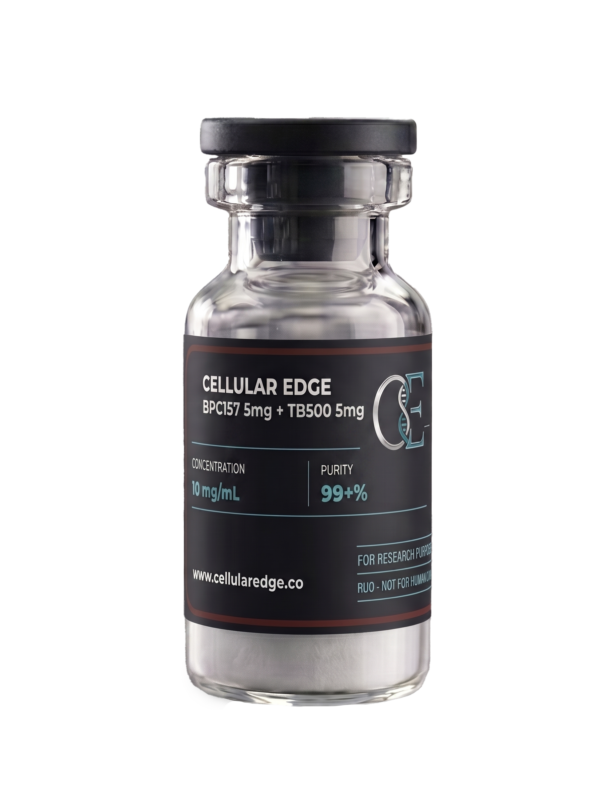
BPC 157
Description:
AOD-9604 is a modified fragment of human growth hormone — specifically the C-terminal
region (amino acids 176-191) of the HGH molecule, with a few amino acid substitutions to
stabilize it. It was originally developed by a biotech company (Metabolic
Pharmaceuticals/Monash University) with the intent of isolating the fat-metabolizing effects of
growth hormone without the growth-promoting or insulin-desensitizing effects that come with
using full HGH..
Benefits:
BPC-157 (Body Protective Compound-157) is a synthetic peptide derived from a protein
naturally found in human gastric juice. It has gained significant attention in biohacking, sports
medicine, and research circles for its potent regenerative and tissue-healing properties.
While the vast majority of current data comes from animal models (in vivo rodent studies) and
isolated cell cultures, the observed benefits are quite broad due to how the peptide interacts with
cellular repair pathways.
1. Accelerated Soft Tissue Repair
The most prominent benefit of BPC-157 is its ability to accelerate the healing of soft tissues,
which traditionally receive poor blood supply and heal incredibly slowly.
• Tendons and Ligaments: Studies show it promotes the outgrowth of tendon fibroblasts
(the cells that build tendon tissue) and accelerates the healing of torn Achilles tendons
and collateral ligaments.
• Muscle Tears: It aids in recovering from skeletal muscle damage, helping to restore
functional strength faster.
• Bone Healing: It has been shown to enhance the healing of bone fractures by increasing
the rate of bone matrix formation.
2. Angiogenesis (New Blood Vessel Growth)
BPC-157 heavily influences angiogenesis—the process by which the body creates new blood
vessels from existing ones.
• By upregulating vascular endothelial growth factor (VEGF), it helps re-establish blood
flow to damaged or ischemic (oxygen-deprived) tissues.
• More blood flow means a steady supply of oxygen and essential nutrients directly to the
injury site, drastically shortening the recovery timeline.
3. Gastrointestinal Healing and Cytoprotection
Because it is derived from a gastric protein, BPC-157 has massive protective effects on the gut
lining.
• Ulcers and IBS: It helps heal gastric ulcers, protects the stomach lining from NSAID
(like ibuprofen) damage, and reduces inflammation in inflammatory bowel diseases
(IBD).
• Leaky Gut: It supports the integrity of tight junctions within the intestinal wall, helping
to combat gut permeability.
• Gut-Brain Axis: Emerging data suggests it helps stabilize the gut-brain axis, potentially
counteracting some stress-induced systemic issues.
4. Inflammation and Nitric Oxide Modulation
BPC-157 does not completely shut down the inflammatory response (which is necessary for
initial healing), but rather orchestrates it.
• It modulates nitric oxide (NO) synthesis, which helps control vascular tone and blood
pressure at the injury site.
• It downregulates systemic inflammatory cytokines, preventing an acute injury response
from turning into chronic, systemic inflammation.
How it works:
At a cellular level, BPC-157 functions as a master modulator of tissue repair. It doesn’t just force
a single biological process to happen; instead, it triggers a cascade of signaling pathways that
coordinate healing across blood vessels, connective tissues, and inflammatory systems.
In a standard injury, the body produces proteins like TNF-alpha (Tumor Necrosis Factor-alpha)
and other inflammatory cytokines that can stall tissue healing and promote scarring rather than
clean regeneration. As shown in the pathway mapping, BPC-157 works downstream to inhibit
the harmful tissue-degrading effects of excessive TNF-alpha, protecting healthy tissue cells from
apoptosis (programmed cell death) during the acute phase of an injury.